What HSSE Performance Management Really Means (Beyond Compliance)
When executives talk about HSSE, the conversation often circles back to compliance. Meeting legal requirements, checking boxes for audits, and avoiding penalties are usually seen as the ultimate goals. But compliance is just the starting line.
In reality, HSSE performance management is about something far deeper: building a system that protects people, strengthens business resilience, and earns stakeholder trust. It is no longer enough to track lost time incidents or publish an annual safety report. Leaders are expected to show how health, safety, security, and environmental outcomes tie directly to business strategy and long-term value creation.
The companies that get this right do not see HSSE as a cost center. They see it as a driver of operational excellence, reputation, and sustainability. And that shift, from compliance to performance, is where the real conversation begins.
HSSE: The Traditional View vs. Modern Reality
For many years, HSSE was seen through a narrow lens. The primary objective was to satisfy regulators, maintain certifications, and pass external audits. Success was measured by whether an organization had zero fines or could display compliance badges on its annual report.
That view is changing. Today, regulators, investors, employees, and customers expect more than minimum compliance. They want evidence that a company is managing HSSE performance as part of its overall strategy. This means moving beyond counting incidents and instead focusing on prevention, resilience, and accountability.
Modern HSSE management connects safety, health, security, and environmental outcomes directly to business performance. A strong safety culture reduces downtime. Environmental responsibility enhances brand reputation. Robust security measures safeguard both assets and people. HSSE is no longer a separate initiative, but an integral part of how the organization functions every day.
Defining HSSE Performance Management Beyond Compliance
HSSE performance management goes beyond recording injury rates or tracking compliance deadlines. It is about creating systems that capture both leading and lagging indicators.

Lagging indicators include statistics such as lost time injuries or reportable incidents. They are important but reactive, showing what has already gone wrong. Leading indicators, such as near miss reports, safety training participation, and employee engagement, provide early warnings and opportunities to intervene before an incident occurs.
True HSSE performance management also extends across all four dimensions: health, safety, security, and environment. It connects HSSE outcomes to broader business goals, including productivity, cost savings, and long-term sustainability.
The Pillars of Effective HSSE Performance Management
To move beyond compliance, organizations need to strengthen five key pillars:
- Data-driven insights
Shift from spreadsheets to centralized systems that capture data in real time. Dashboards give leaders visibility and the ability to act quickly. - Culture and leadership
Performance improves when leadership sets the tone. Accountability and ownership must be visible at every level. - Continuous improvement
Incidents, near misses, and audits should feed into structured learning. Lessons learned become the foundation for stronger practices. - Integration with business processes
HSSE targets should not sit in isolation. They must align with financial, operational, and strategic goals. - Transparency and reporting
Stakeholders expect clarity. Internal teams need actionable insights, and external partners look for credible reporting that builds trust.
Common Pitfalls When Companies Focus Only on Compliance
Organizations that stop at compliance often run into the same problems:

- Overemphasis on lagging indicators that highlight failures instead of prevention.
- Under-reporting of incidents because of a culture of blame.
- HSSE data scattered across departments, making it difficult to see the full picture.
- Treating audits as one-off events rather than part of ongoing performance management.
- Neglecting security and environmental aspects, focusing only on safety.
These pitfalls weaken not only safety outcomes but also business resilience.
Practical Strategies to Go Beyond Compliance
Moving from compliance to performance requires deliberate action:
- Adopt leading indicators. Track near misses, hazards observed, and safety participation rates.
- Leverage technology. Use digital platforms for real-time reporting, analytics, and mobile accessibility.
- Build a safety-first mindset. Encourage reporting, reward proactive behavior, and invest in training.
- Integrate HSSE into boardroom discussions. Treat safety and environment as strategic priorities alongside financial performance.
- Benchmark and learn. Compare performance with industry peers and capture lessons in a structured repository.
The Role of Technology in HSSE Performance
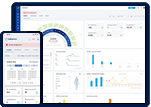
Technology is a critical enabler. Digital platforms simplify data collection, eliminate silos, and turn raw information into actionable insights.
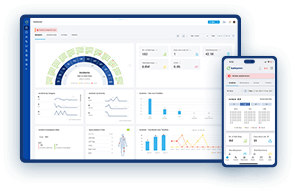
Executives gain access to dashboards that provide real-time visibility into leading and lagging indicators. Predictive analytics can highlight patterns that suggest where the next incident may occur. Mobile tools make it easier for employees to report hazards or near misses on the spot, increasing participation rates.
Most importantly, technology helps align HSSE reporting with ESG goals, making it easier to communicate progress to investors, regulators, and the public.
The Business Case: Why It Matters
Beyond compliance, HSSE performance management delivers tangible value. Companies reduce incident costs, avoid unplanned downtime, and increase efficiency. They strengthen their brand reputation, making it easier to win contracts and attract investors. Employees feel safer and more valued, which improves morale and retention.
Ultimately, robust HSSE performance management supports long-term resilience. It prepares the organization to adapt to regulatory changes, manage risks, and pursue growth without compromising safety or sustainability.
Conclusion
Compliance is only the baseline. True HSSE performance management is about building a culture of accountability, using data to drive decisions, and integrating safety, security, health, and environment into the fabric of the business.
For leaders, the real question is clear: are you satisfied with being compliant, or are you ready to manage HSSE performance as a strategic advantage?
This article was generated with the assistance of AI and reviewed by Ramesh Nair for accuracy and quality.

Ramesh Nair is the Founder and Principal Partner of Niyati Technologies, the company behind Safetymint.
He’s a dedicated advocate for workplace safety. Ramesh firmly believes that every individual deserves to return home safely after a day’s work. Safetymint, the innovative safety management software, emerged from this conviction. It’s a platform designed to streamline safety management, empower safety professionals, and enhance safety in workplaces.
Through his blog, Ramesh shares insights, best practices, and innovative solutions for workplace safety. Visit his social media profiles to follow him for regular updates.