Tailgate Safety Meetings: 15 Topics You Shouldn’t Miss on Site
Tailgate safety meetings – often referred to as toolbox talks – might only take ten or fifteen minutes, but those few minutes can set the tone for an entire workday. On fast-moving job sites, they’re one of the most practical ways to pause, gather the crew, and refocus on what matters most: getting the job done safely.
These sessions aren’t meant to be long-winded lectures. Instead, they’re short, targeted discussions designed to address the specific risks workers will face on that day’s tasks. Done well, a tailgate meeting goes beyond compliance. It keeps safety front of mind and helps reinforce the habits that prevent accidents.
The real key is choosing topics that are relevant and engaging. Below, I’ve listed 15 essential tailgate safety meeting topics that every crew should hear regularly to keep awareness high and safety culture strong.
1. Personal Protective Equipment (PPE)
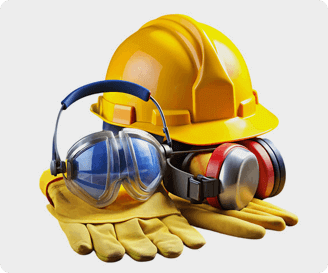
A simple reminder can make a difference. Reinforce when to wear hard hats, gloves, safety glasses, or high-visibility vests, and why the right gear matters for the day’s tasks.
2. Fall Protection
Falls remain one of the leading causes of workplace injuries. Discuss ladders, scaffolding, and harness use, especially before work at heights begins.
3. Heat Stress and Hydration
On hot days, dehydration sneaks up fast. Remind workers to take breaks, drink water regularly, and recognize the early signs of heat exhaustion.
4. Cold Weather Precautions
On the flip side, cold stress is just as serious. Tailor this talk to layering clothing, warming shelters, and spotting hypothermia or frostbite.
5. Slips, Trips, and Housekeeping
A cluttered site is a dangerous site. Stress the importance of keeping walkways clear, storing tools properly, and cleaning up spills promptly.
6. Tool and Equipment Safety
Everyday tools cause too many preventable injuries. Cover safe handling, regular inspections, and reporting damaged tools before they’re used.
7. Electrical Safety
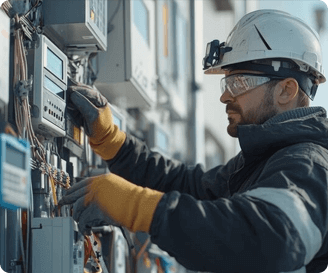
Even seasoned workers need reminders about lockout/tagout, checking cords for wear, and keeping water well away from power sources.
8. Lifting Techniques and Ergonomics
Back strains are common but avoidable. Teach the basics of lifting with the legs, team lifts for heavy loads, and rotating tasks to reduce strain.
9. Working Around Heavy Equipment
Operators and ground crews must work in sync. Highlight blind spots, communication signals, and the need to keep a safe distance from moving machinery.
10. Traffic and Vehicle Safety
Whether it’s site trucks or delivery vehicles, traffic hazards are constant. Review speed limits, pedestrian zones, and reversing procedures.
11. Fire Safety and Hot Work
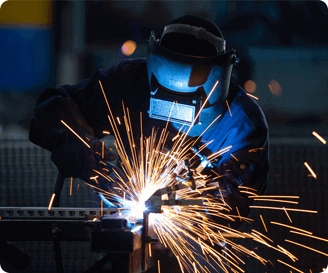
Anytime sparks fly, risks increase. Discuss fire watch responsibilities, keeping extinguishers nearby, and permits for hot work.
12. Confined Spaces
Remind the team that confined space entry requires permits, monitoring, and rescue plans—not shortcuts. Lives depend on following the process.
13. Chemical Handling and Hazard Communication
Hazardous materials aren’t always obvious. Talk about reading labels, using the right storage, and knowing where Safety Data Sheets (SDS) are located.
14. Emergency Procedures
It’s easy to forget the basics until something goes wrong. Revisit evacuation routes, muster points, and who to contact in case of an incident.
15. Mental Health and Fatigue
Not all risks are physical. Encourage open conversation about stress, long shifts, and mental well-being. Remind the team that asking for help is a sign of strength, not weakness.
Wrapping Up
Tailgate safety meetings don’t need to be long to be effective. What matters is consistency and relevance. By rotating through these 15 topics, supervisors can keep their teams sharp, reduce avoidable incidents, and build a stronger safety culture on site.
This article was generated with the assistance of AI and reviewed by Ben Johnson for accuracy and quality.