Micro-Observations: The Next Evolution of Behavior-Based Safety
Behavior-Based Safety has been around for years, but somewhere along the way, it lost a bit of life. Too many checklists. Too many reports that sit unread. Somewhere between the forms and the follow-ups, the people got left out.
Workplaces don’t move that slowly anymore. Risks appear, disappear, then change form in minutes. So maybe safety needs to catch up. That’s where micro-observations come in. These are quick, almost casual moments – someone noticing a good habit, calling out a near miss, or sharing a quiet reminder. They’re not audits. They’re small, real conversations that quietly shift how people think about safety.
What Are Micro-Observations?
A micro-observation is a short safety interaction that happens naturally while people work. No clipboards, no scheduled sessions. Just a few seconds of awareness. You might notice how a worker grips a tool, stands on uneven ground, or reacts to a close call.
Unlike traditional Behavior-Based Safety checks that happen once a week with a long form to fill out, micro-observations happen anytime, anywhere. And anyone can do them. You don’t need a title or a checklist — just the willingness to speak up.
A simple “Nice job wearing your harness correctly” or “Be careful with that hose, it’s getting tangled” can make a difference. Small things add up. Over time, these moments build a rhythm where people naturally look out for one another.
Why Traditional BBS Programs Need an Upgrade

The old systems aren’t broken, but they often feel too rigid. People record dozens of observations, yet real change comes slow. Most of the time, feedback arrives days later, long after the moment has passed.
The gap between seeing and saying something is what dulls the impact. Workers stop caring because the connection feels distant. It turns into a numbers game – how many observations were logged, not how many mattered.
Micro-observations fix that by keeping things personal and immediate. They bring safety back to the people doing the work. It’s not a “program” anymore. It’s a habit, a conversation that happens naturally through the day.
How Micro-Observations Work in Practice
Here’s how a typical one unfolds:
1. Notice something. Maybe someone is climbing too quickly or handling material safely.
2. Engage right away. Have a quick word — positive or corrective. Keep it short and genuine.
3. Note it down if possible. A few words in a mobile app or even a voice note.
4. Share it later. Bring it up at the next safety talk or morning huddle.
These short moments fit easily into a workday. They don’t disrupt. In fact, they make people feel seen. They remind everyone that safety isn’t just about rules, it’s about care.
Micro-observations work best in fast-moving environments like construction, logistics, and maintenance – anywhere the job changes by the hour. Real-time conversations help teams stay alert and aware before small risks turn serious.
Related read: Learn about Safetymint’s BBSO Software.
The Benefits of Going Micro

Continuous engagement
Because the process is short, people are more likely to participate. They start sharing without being told to.
Peer learning in action
When workers talk to each other about safety, it lands differently. It feels more honest, more practical.
Better quality data
Frequent notes create a living picture of workplace behavior. Over time, patterns emerge that predict future risks.
Less fatigue, more focus
Traditional observation programs can feel heavy. Micro-observations stay light, so people don’t burn out.
Faster response
The feedback is instant. A quick chat now often prevents an incident later.
From Feedback to Insight
At first glance, micro-observations may seem too small to matter. But they build up fast. Even a few short notes a day turn into valuable data over weeks. You start seeing trends – recurring unsafe habits, repeating good behaviors, departments that improve faster than others.
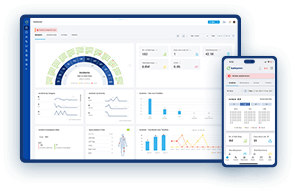
And with digital tools, this data doesn’t just sit in a spreadsheet. It can be turned into visual dashboards that reveal patterns you’d never catch otherwise. It’s the kind of insight that helps leaders act before problems escalate.
When people realize that their observations actually shape those decisions, the system feeds itself. Trust builds. Reporting improves. The whole culture lifts.
Making It a Part of Everyday Culture
The goal isn’t to replace your existing BBS program but to make it breathe again. Start small. Train supervisors to talk, not just tick boxes. Celebrate the good behaviors as loudly as you correct the bad.
Technology helps, but the mindset matters more. Keep it easy, mobile, and fast. A single tap should be all it takes to log an observation. Then, close the loop. Tell people what changed because of their feedback. That’s what keeps the habit alive.
In time, micro-observations turn from small moments into a bigger shift. Safety becomes less about compliance and more about awareness — a shared sense of responsibility that grows stronger every day.
This article was generated with the assistance of AI and reviewed by Ramesh Nair for accuracy and quality.