
IS 17893:2023 – Permit to Work Standard in India Explained
Maintenance and non-routine work often introduce risks that are not present during normal operations. Welding, confined space entry, electrical isolation, or excavation work can quickly become hazardous if proper controls are not in place.
To address this, the Bureau of Indian Standards released IS 17893:2023, which provides guidance on how organizations should design and implement a structured Permit to Work (PTW) system. The standard outlines how hazardous work should be authorized, monitored, and documented.
Understanding the standard is one part of the challenge. Applying it consistently across teams, contractors, and departments is where many organizations struggle.
What is IS 17893:2023?
IS 17893:2023 is an Indian Standard that provides a framework for establishing a Permit to Work system for hazardous activities in industrial environments.
The standard focuses on controlling work that could introduce significant safety risks. This includes tasks involving hot work, confined space entry, energy isolation, and activities where multiple teams may be working simultaneously.
The intent of the standard is clear. Hazardous work should only begin after hazards are assessed, precautions are verified, and responsible authorities have approved the activity.
It also encourages stronger coordination between operations, maintenance, contractors, and safety teams.
Why Permit to Work Systems Matter

Many industrial incidents occur during maintenance or temporary work rather than routine production activities.
These tasks often involve conditions that increase risk:
- Equipment may be dismantled or opened
- Hazardous energy sources may be exposed
- Contractors may not be familiar with site hazards
- Multiple work groups may operate in the same location
A structured Permit to Work system helps reduce these risks by ensuring work is reviewed and authorized before it begins.
When implemented properly, PTW systems help organizations:
- Identify hazards before work starts
- Verify that safety precautions are in place
- Establish clear accountability for approvals
- Improve communication between departments
- Maintain records for audits and investigations
Key Elements of IS 17893:2023
The standard outlines several essential components that should exist within a Permit to Work system.
Defined Permit Categories
Different hazardous activities require different permits.
Typical permit types include:
- Hot work permits
- Confined space entry permits
- Electrical work permits
- Work at height permits
- Excavation work permits
Each category should contain safety checks specific to the type of work.
Clear Roles and Responsibilities
The standard stresses the need to clearly define responsibilities.
Common roles include:
- Permit requester
- Permit issuer
- Area authority
- Safety officer
- Performing authority
Every permit should document who requested the work, who approved it, and who is responsible for supervision.
Hazard Identification and Safety Controls
Before issuing a permit, hazards must be evaluated and appropriate controls identified.
These controls may include:
- Lockout and isolation procedures
- Gas testing in confined spaces
- Barricading of work areas
- Personal protective equipment requirements
- Fire protection measures
This step ensures the work environment is safe before work begins.
Permit Validity and Monitoring
A permit must define key details such as:
- Work location
- Scope of work
- Start time and expiry time
- Required safety precautions
If work continues beyond the permitted time period, the permit must be reviewed and extended.
Monitoring active permits is important to ensure work conditions remain safe.
Permit Closure
Once work is completed, the permit must be formally closed.
Closure usually includes:
- Inspection of the work area
- Confirmation that hazards are removed
- Restoration of equipment to normal conditions
Proper closure prevents new risks from being introduced after maintenance work.
Challenges with Paper-Based PTW Systems
Even when organizations understand the requirements of a PTW system, many still manage permits using paper forms.
This approach often creates operational difficulties.
| Paper Permit Process | Common Issues |
|---|---|
| Manual permit forms | Missing or incomplete information |
| Physical signatures | Delays in issuing permits |
| Paper records | Difficult to review past permits |
| Multiple departments | Communication gaps |
| Limited visibility | Hard to track active permits |
As facilities expand and more contractors become involved, maintaining control through paper systems becomes increasingly difficult.

Using Digital PTW Systems to Implement IS 17893
Digital Permit to Work systems provide a practical way to apply the requirements of IS 17893:2023 more consistently.
Platforms such as Safetymint allow organizations to manage the entire permit lifecycle within a structured digital environment. Permit types, hazard checks, approvals, and records can be configured to align with the procedures defined by the standard.
A permit to work software can support compliance in several ways.
Standardized Permit Templates
Permit forms can be configured for different work categories such as hot work, confined space entry, or excavation.
Each permit can include mandatory safety checks so that key precautions are verified before approval.
Structured Approval Workflows
Digital workflows allow permits to move through predefined approval steps involving operations teams, safety officers, and area authorities.
This helps ensure that hazardous work cannot begin without proper authorization.
Integrated Hazard Checklists
Safety checks can be built directly into permit forms.
Users must confirm that required precautions such as isolation, gas testing, or PPE are in place before the permit is issued.
Real-Time Permit Visibility
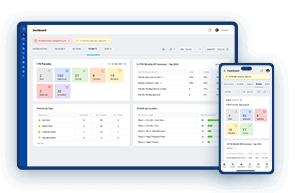
A centralized dashboard allows safety teams to view:
- Active permits
- Permits nearing expiry
- Work locations across the facility
- Potential simultaneous operations
This visibility makes it easier to monitor high-risk activities across large sites.
Digital Records for Audits
Every permit action is recorded automatically. Requests, approvals, extensions, and closures remain available as searchable records.
These digital logs help organizations demonstrate compliance during safety audits or incident investigations.
Practical Tips for Implementing IS 17893
Organizations planning to strengthen their Permit to Work systems can benefit from a few practical steps.
- Clearly define permit categories for hazardous work
- Standardize hazard checklists across departments
- Train employees and contractors on permit procedures
- Monitor simultaneous operations closely
- Maintain centralized records of all permits
When these practices are supported by a digital platform, the process becomes easier to manage and far more transparent.
Adopting the principles outlined in IS 17893:2023 helps organizations build stronger control over hazardous work activities while improving coordination across teams and contractors.
This article was generated with the assistance of AI and reviewed by Ramesh Nair for accuracy and quality.