
Why PTW Systems Fail and How to Fix Them
One of the problems with Permit to Work systems is that we tend to measure their effectiveness by how well the paperwork is maintained. During an audit, we check whether permits have been signed, risk assessments are attached and approvals are in order.
I would argue that a better test is to pick an active permit at random and walk to the worksite. See if the conditions described in the permit match what’s happening there. Ask the crew about other work going on around them. Find out whether the person who issued the permit has actually visited the location.
You might come away with a very different opinion of how well your PTW system is working.
Issuing Permits from the Office
How much time does a permit issuer actually spend at the worksite? This is worth looking into, particularly during shutdowns when there is a rush to get maintenance activities started.
If a supervisor is expected to issue 30 permits before 8 AM, we need to be realistic about the quality of those inspections.
Some organizations require a joint site inspection by the issuer and the performing authority before a permit is approved. It’s a good practice. The maintenance team may know the equipment well, while the operations team understands what’s happening in the surrounding area.
There’s also a case for staggering the start times of non-critical maintenance jobs. It takes some pressure off the permit issuer and allows enough time for proper site inspections.
Two Valid Permits Can Still Create an Unsafe Situation

A common weakness in PTW systems is the way permits are reviewed in isolation.
Take hot work, for example. The permit issuer has checked the area, gas testing has been completed and the welding crew is ready. Half an hour later, another department issues a permit for opening a process line nearby.
The second permit changes the risk associated with the first.
This is why simultaneous operations (SIMOPS) need to be managed at an area level. Someone must have oversight of all the work taking place within that area, including activities that are scheduled to start later in the shift.
During large shutdowns, a daily coordination meeting can help. Bring together the people responsible for operations, maintenance and contractor activities. Review the day’s work by location and resolve potential conflicts before the permits are issued.
The Problem with Long-Running Isolations
Isolation management gets complicated when maintenance work extends over several days.
A pump may be isolated on Monday for mechanical repairs. On Tuesday, an electrical team begins work on the same equipment under a separate permit. By Wednesday, the mechanical team has finished and wants to close its permit.
Who keeps track of the isolation at this point?
If your system relies on someone remembering that another team is still working on the equipment, you have a problem.
Every permit that depends on a common isolation needs to be accounted for. The isolation must remain in place until all dependent work is safely completed and reinstatement is authorized.
It’s equally important to verify the isolation at the worksite before starting work. A signed isolation certificate cannot tell you whether a valve is passing or residual pressure remains trapped in a line.
What Happens When the Job Changes?

Maintenance work rarely goes exactly as planned. You open a pump expecting to replace a seal and discover that the shaft needs attention too.
The crew may have the skills and tools to carry out the additional work. There’s a temptation to finish the job while the equipment is already shut down.
This is where the scope of a permit becomes important. Additional work can introduce hazards that were never considered during the original risk assessment.
Supervisors need to make it clear when a job must stop for reassessment and further authorization. The same applies when conditions around the worksite change. A permit’s expiry time has little bearing on whether the work remains safe.
Permit Closure Deserves More Attention
A question worth asking during your next PTW audit: who physically checks the worksite before a permit is closed?
The contractor may have completed the repair, but a machine guard could still be lying on the floor. Temporary electrical connections may need to be removed. Other maintenance work on the equipment might still be in progress.
Operations should have a clear picture of these conditions before accepting the equipment back.
It is also worth reviewing a sample of recently closed permits. Look at the closure comments, the time of closure and who authorized it. If every permit simply says ‘work completed’, you have very little information about the condition in which the equipment was handed back.

Managing Work Permits with Safetymint
For organizations handling hundreds of permits across different departments and work locations, maintaining this level of oversight can be difficult with paper-based systems.
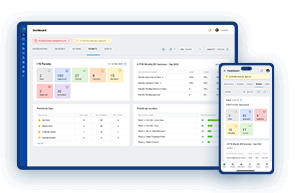
Safetymint’s Permit to Work software gives permit issuers and supervisors a central view of active permits, their locations and approval status. Teams can configure permit-specific checklists, attach risk assessments and method statements, and manage approvals, extensions, shift handovers and closures.
Having this information in one place helps supervisors spot overlapping activities and review the history of a permit without chasing paperwork across departments.
The site inspections and safety checks still need to happen. Safetymint helps you build these requirements into your permit workflow and maintain a record of how they were carried out.
Schedule a demo to see how Safetymint e-PTW system works.
This article was generated with the assistance of AI and reviewed by Ramesh Nair for accuracy and quality.