Unifying Isolation and Permit-to-Work Systems
Keeping people safe during maintenance or shutdown work isn’t just about rules. It’s about coordination. Too often, isolation activities happen in one corner, while permit approvals move ahead elsewhere. The result? Confusion, delays, and sometimes, dangerous oversights.
Bringing Isolation Management and Permit-to-Work systems together changes that dynamic. When both speak the same digital language, every isolation, tag, and permit becomes part of a single, traceable workflow that minimizes risk and maximizes control.
Why Isolation Management and Permit-to-Work Must Work Together
Both systems aim to make work safer, but they often run on separate tracks. Isolation Management ensures energy sources are safely locked and tagged before anyone starts. Permit-to-Work authorizes the actual task.
The problem is, these two processes don’t always meet in the middle. One team confirms isolations; another issues permits without full visibility. When information sits in different logs or spreadsheets, it’s easy to miss details that matter most.
Linking them closes that loop. Every isolation becomes tied to a specific permit, and every permit knows which isolation it depends on. It’s a simple connection that makes a big difference in how safely and smoothly work gets done.
The Hidden Risks of Keeping Isolation and Permits Separate

When isolation and permit systems operate apart, small gaps turn into big risks. A permit might get approved before isolations are confirmed. Tags could be left hanging after work is complete. Or worse, equipment might be re-energized while someone is still working.
There’s also the human side. Different departments using different tools creates confusion and delays. Paper records disappear. Supervisors can’t see the full picture in real time.
These breakdowns slow work, but more importantly, they erode trust in the system meant to protect everyone.
What an Integrated System Looks Like
An integrated setup links isolation and permit workflows from start to finish. It begins with a work request. The system identifies what needs to be isolated, assigns responsibilities, and logs each action digitally.
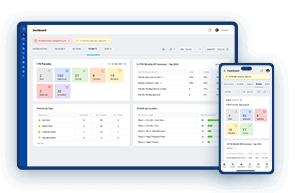
Once isolation is verified, the permit automatically updates and allows work to begin. When the job is done, de-isolation steps are tracked the same way. Everyone involved can see the live status — what’s locked, what’s cleared, and what’s next.
No loose papers. No guessing. Just one transparent process where safety and efficiency move together.
Key Features and Benefits of Integration

When Isolation Management and PTW systems come together, the workflow becomes much cleaner. Everyone sees the same information, updated in real time.
A centralized isolation register shows which equipment is locked and who’s responsible. No more calling or chasing updates. Before a permit is approved, the system checks that isolations are confirmed. It acts as a built-in safeguard.
Digital sign-offs replace stacks of paper. Supervisors, engineers, and safety teams can approve or verify work right from their screens or mobile devices. Every action is logged, building a traceable record that’s always audit-ready.
The benefits go beyond compliance. Work gets done faster because teams aren’t waiting for updates. Communication improves because everyone’s looking at the same dashboard. And when mistakes do happen, it’s easier to trace them and fix the root cause.
Challenges, Solutions, and What’s Ahead
Of course, linking these systems isn’t always straightforward. Many sites still rely on legacy tools or manual logs. Teams might resist change or lack the training to use digital workflows confidently.
The best approach is to start small. Map your existing process, identify where delays or errors happen, and pilot the new system with a few high-risk activities. Once people see the time saved and the clarity gained, adoption becomes easier.
The future looks even more connected. QR codes and digital tags are replacing paper isolation cards. AI is helping teams predict what isolations might be needed for upcoming jobs. Mobile apps are turning permits into living documents that move with the work.
In the end, integration isn’t just about technology. It’s about visibility, accountability, and trust — three things every safe workplace depends on.
This article was generated with the assistance of AI and reviewed by Ben Johnson for accuracy and quality.

Ben Johnson is a dedicated Customer Success Executive at Safetymint. With a strong commitment to excellence, Ben works closely with customers to ensure they fully leverage the capabilities of Safetymint to its fullest potential, aiming to significantly reduce or mitigate safety risks and incidents.