Task Risk Assessment (TRA): A Practical Guide for Safer Work
Most jobs carry a certain level of risk. But when those risks are overlooked or underestimated, even routine tasks can lead to serious incidents. That’s where TRA comes in — not as a box to tick, but as a real-time safety tool that helps teams pause, think, and act before something goes wrong.
If you’ve ever asked yourself, “Is this task really safe to begin right now?” — then you’re already thinking in the right direction. This article will break down everything you need to know about Task Risk Assessment: when to use it, how it works, and why it’s one of the simplest ways to stay one step ahead of workplace hazards.
What is Task Risk Assessment and Why It Matters
Task Risk Assessment (TRA) is a quick, structured review done just before a job begins. It focuses on the specific task, the people involved, and the current conditions to spot risks and decide how to manage them.
Unlike broader safety assessments done during project planning, TRA happens on the ground. It’s simple but powerful. It helps teams stay alert, make smarter choices, and prevent incidents before they happen.
In many industries, TRA is a daily habit. It promotes accountability, encourages workers to speak up, and keeps safety top of mind where it matters most — at the jobsite.
When and Where Should TRA Be Used?
TRA should be used just before starting any task that involves risk, even if it’s routine. It’s especially useful when:

- The task is non-routine or unfamiliar
- Conditions have changed since the last assessment
- New people or equipment are involved
- There’s potential for serious harm
Common settings include construction sites, confined spaces, hot work areas, maintenance jobs, and anywhere human error could lead to injury or downtime. It can be done during toolbox talks, before shift changes, or on-the-spot when new hazards are noticed.
TRA isn’t limited to high-risk work. It applies wherever a pause and a safety check could make a difference.
Who is Involved in a TRA?
A TRA isn’t just the safety officer’s job. It’s usually done by the workers who are actually performing the task, often with input from supervisors or team leads.
Why? Because those doing the work know the details best. They’re the ones who understand what could go wrong and what it takes to do the job safely. That firsthand knowledge is essential.
Safety teams may review or support the process, but the goal is to encourage frontline ownership. TRA is most effective when it’s simple, collaborative, and taken seriously by everyone involved.
How to Conduct a Task Risk Assessment
A TRA doesn’t need to be complicated. In fact, the best ones are short and to the point. Here’s a simple structure teams can follow:
- Define the task
Be specific about what’s being done and where. - Break the task into steps
Identify each major action involved in completing the job. - Identify hazards
For each step, consider what could go wrong — equipment failure, slips, exposure to harmful substances, etc. - Assess the risk
Consider both how likely the hazard is and how severe the outcome could be. - Apply controls
Decide on practical steps to eliminate or minimize each risk. This could be using PPE, isolating energy sources, or changing how the task is performed. - Review and proceed
Make sure everyone on the team understands the risks and controls before starting the work.
It takes just a few minutes but can make a lasting difference.
TRA vs JSA vs HIRA: What’s the Difference?
These terms often get mixed up, but each serves a different purpose:
- TRA is short-term and task-specific, done on the spot.
- JSA (Job Safety Analysis) is more detailed, usually prepared ahead of time for recurring jobs.
- HIRA (Hazard Identification and Risk Assessment) is broader and used during the planning phase for activities or projects.
Think of TRA as the last line of defense — the final check before action.
Mistakes to Avoid in TRA
Even a good system can fail if used poorly. Watch out for these common missteps:
- Skipping the TRA for “simple” tasks
- Copy-pasting old assessments without reviewing
- Doing it alone without team input
- Rushing through without genuine attention
- Failing to follow up on identified controls
TRA works best when it’s taken seriously, not treated as just another checklist.
Why Go Digital With TRA?

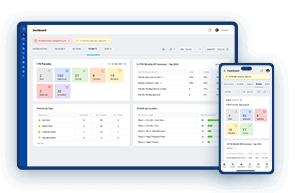
Paper forms get lost. Verbal checks get forgotten. Digital TRA tools make the process smoother and more reliable. Benefits include:
- Fast, real-time assessments using mobile apps
- Standardized formats and instant access to previous TRAs
- Easier compliance and audit readiness
- Alerts and updates when site conditions change
Many safety platforms now offer built-in TRA modules that integrate with incident reporting and permit to work systems.
Final Thoughts
TRA isn’t about ticking boxes. It’s about building a habit of awareness, accountability, and action. When workers stop and think before starting a job, they don’t just protect themselves — they protect the whole team.
Whether you’re in construction, energy, manufacturing, or maintenance, Task Risk Assessment is one of the simplest tools to create a safer workday.
This article was generated with the assistance of AI and reviewed by Ben Johnson for accuracy and quality.