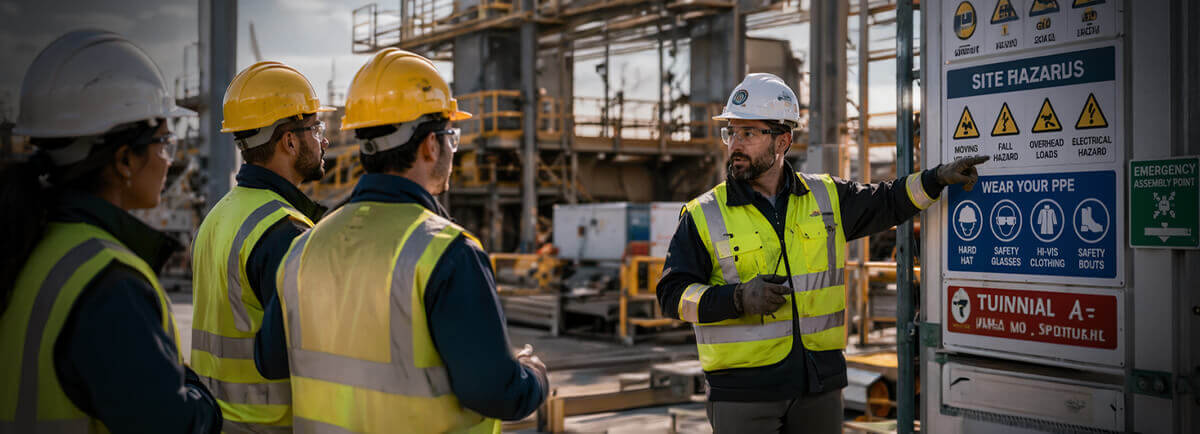
Safety Induction Done Right: What Actually Works on Site
Walk into most safety induction sessions and you can almost predict how it will go.
A room full of new joiners. A long presentation. A stack of rules. By the end of it, people nod, sign a form, and move on. Job done. Or at least, that’s what it looks like on paper.
The problem shows up later. The first week on site. A near miss. A shortcut taken. A rule forgotten because it never really landed in the first place.
I’ve seen this pattern play out more times than I can count. The intent behind safety induction is solid. But the way it’s delivered often misses the mark. Not because companies don’t care, but because the process has quietly turned into a routine exercise instead of a meaningful one.
That gap is worth paying attention to. Because the first few hours someone spends understanding your workplace can shape how they behave for months, sometimes years.
What Safety Induction Really Means on the Ground
At its core, safety induction is not about policies. It is about context.
You are taking someone who is unfamiliar with your environment and helping them understand how work actually happens. Where the risks sit. What can go wrong. What is expected of them when something does.
That sounds simple. It rarely is.
Most induction programs focus heavily on rules. What often gets missed is situational awareness. A worker may know they need PPE, but do they understand when it matters most? They may know emergency exits exist, but can they find one under pressure?
A good induction answers questions people don’t even know they should ask yet.
Where Most Safety Induction Programs Fall Short
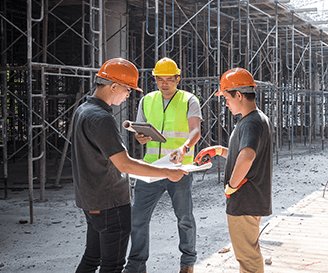
This is where things start to break down.
Over time, induction programs tend to become standardized. That sounds efficient, but it comes with trade-offs.
Some common patterns you’ll probably recognize:
- Too much information at once
Everything gets packed into a single session. Policies, procedures, forms, expectations. It becomes noise. - Generic content across roles
A contractor, a supervisor, and a visitor sit through the same session. Their risks are not the same. - No validation of understanding
Attendance is recorded. Understanding is assumed. - No connection to real work
Slides look polished. The actual work environment looks very different. - Language and comprehension gaps
Especially in industries like construction, this is a serious issue. People sit through sessions they only partially understand.
None of this is intentional. It’s what happens when induction becomes routine.
What Should Actually Be Covered in a Safety Induction
If you strip away the excess, a strong induction focuses on what people need right now to stay safe.
Here’s a practical way to think about it:
| Area | What to Cover | Why It Matters |
|---|---|---|
| Site-Specific Hazards | Real risks on that site or facility | Prevents immediate exposure to danger |
| Emergency Response | Evacuation routes, alarms, contacts | Reduces confusion during incidents |
| Work Controls | Permit to Work basics, isolation practices | Ensures high-risk work is controlled |
| Reporting Process | How to report incidents and near misses | Builds early safety visibility |
| Behavioral Expectations | What safe behavior looks like here | Sets cultural tone from Day 1 |
Notice what’s not here. Long policy documents. Detailed compliance clauses. Those have their place, but not in the first interaction.
Making Safety Induction Actually Stick
Here’s the uncomfortable part.
Most people forget a large portion of what they hear in a classroom setting within days. Sometimes hours.
If retention is the goal, delivery has to change.
A few approaches that tend to work better:
Keep it Short and Focused
Break the session into smaller chunks. Prioritize what is critical for the first few days. Everything else can follow later.
Use Real Visual Context
Photos from your actual site. Short videos of real tasks. Even a quick walk-through where possible. People remember what they can relate to.
Make It Role-Specific
A supervisor does not need the same level of detail as a visitor. Tailor the content. It shows respect for their time and makes the session more relevant.
Check for Understanding
Simple quizzes. Scenario-based questions. Even informal conversations. The goal is not to test people, but to confirm that key ideas landed.
Reinforce on the Job
Induction should not end in a room. Supervisors play a big role in reinforcing what was covered, especially in the first few days.
Different Industries, Different Realities

One of the biggest mistakes is assuming a single induction format works everywhere.
It doesn’t.
- Construction
Dynamic sites. Changing hazards. Multiple contractors. Induction needs to focus on situational awareness and coordination. - Manufacturing
Fixed environments, but high interaction with machinery. Lockout practices and safe operation become critical. - Oil and Gas
High-risk operations with strict controls. Permit to Work and isolation procedures need clear emphasis. - Warehousing and Logistics
Movement risks, manual handling, equipment interaction. Induction needs to be practical and visual.
The structure may look similar. The depth and focus should not.
Safety Induction Sets the Tone for Safety Culture
This part is often underestimated.
Induction is not just about information. It is about signaling what matters.
If the session feels rushed, people notice. If questions are discouraged, they notice. If the content feels disconnected from reality, they notice that too.
On the other hand, when induction is clear, practical, and respectful, it creates a different impression.
It tells people that safety is taken seriously. Not just documented.
That first impression tends to stick.
Traditional vs Digital Safety Induction
This shift is already happening in many organizations.
Traditional induction methods rely on:
- Classroom sessions
- Printed materials
- Manual attendance tracking
They work, but they come with limitations. Tracking becomes messy. Standardization across sites is difficult. There is very little visibility once the session is over.
Digital approaches change that.
- Inductions can be completed before arriving on site
- Content can be standardized and updated easily
- Completion and assessments can be tracked centrally
- Records are available instantly during audits
This is where platforms like Safetymint start to make a difference. Not because they replace the human element, but because they remove the friction around tracking, consistency, and follow-up.
The bigger benefit is visibility. You know who has completed induction, what they understood, and where the gaps are.
How Do You Know If Your Induction Is Working
This is rarely measured properly.
Most teams track attendance. That’s the easy part.
A better question is: what happens after induction?
Some indicators worth paying attention to:
- Incidents involving new joiners in their first few weeks
- Near-miss reporting trends among recently inducted workers
- Feedback from supervisors on preparedness
- Assessment results, if you are using them
If the same types of issues keep appearing early on, induction is not doing its job.
That’s not a failure. It’s feedback.
Safety induction is one of those things that quietly shapes everything that follows. When it works, you barely notice it. When it doesn’t, the gaps show up quickly.
This article was generated with the assistance of AI and reviewed by Ramesh Nair for accuracy and quality.