Safety Concern Reporting: Why It Matters
Sometimes, it’s the small things that prevent the big ones.
A loose railing. A flickering light near the stairwell. An odd smell near a chemical cabinet. These aren’t full-blown incidents, but they’re signs that something’s off. Reporting them early can stop an accident before it even has a chance to happen.
Yet, many concerns go unspoken—not because they’re invisible, but because people aren’t sure if they should bring them up or if it’ll even make a difference. That’s where safety concern reporting becomes crucial. It’s not about blame. It’s about giving people a way to speak up before things go wrong.
What Is Safety Concern Reporting?
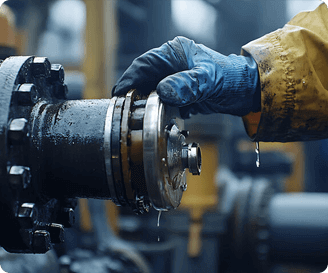
Safety concern reporting is the process of flagging any condition, behavior, or situation that could potentially cause harm before it turns into an incident. It’s about catching the warning signs early. Not every concern leads to an accident, but ignoring them increases the chances.
This can include anything from faulty equipment to blocked exits, from missing signage to unsafe shortcuts on the job. Even things that seem minor – like poor lighting in a stairwell or a slightly unstable ladder – deserve attention. In many cases, what starts small can grow into something far more serious.
What makes safety concern reporting different from a full incident report is that nothing has happened yet. And that’s exactly why it matters. The goal is to act before someone gets hurt, not after.
Why Reporting Safety Concerns Early Makes a Big Difference
When employees report issues early, it gives the organization a chance to fix problems before they lead to injury, downtime, or worse. It’s like noticing a leak in the roof and fixing it before the next heavy rain. That small moment of awareness could save someone from harm.
It also builds a proactive safety culture – one where everyone feels responsible and invested. Reporting becomes a sign of care, not complaint. And when employees see that concerns are taken seriously, trust grows.
Common Safety Concerns Worth Reporting
Sometimes people hesitate because they think their concern might be too minor. But if something feels off, it’s worth sharing. Here are a few examples:
- Loose or damaged tools and equipment
- Poor lighting in work areas or corridors
- Spills or leaks that could lead to slips or contamination
- Blocked exits or emergency equipment
- Lack of signage in hazardous zones
- Unsafe behavior (e.g., ignoring PPE or skipping steps)
- Overworked or fatigued teams
- Early signs of fire or electrical hazards
If it could pose a risk, no matter how small, it belongs on the radar.
How It Differs from Near-Miss Reporting
This is where many people get confused. A safety concern is about identifying a potential hazard before anything actually happens. A near-miss is when something almost goes wrong but doesn’t.
Think of it like this:
- If you see a puddle forming near a staircase and report it, that’s a safety concern.
- If someone slips on that puddle but manages to catch themselves, that’s a near-miss.
Both are important, but the difference lies in timing. Concern reporting is even earlier in the chain—it’s the most proactive step you can take.
What Makes a Good Safety Concern Report

You don’t need a lengthy explanation to report something. But a few key details can help the safety team take quick and effective action:
- What did you observe? Describe the concern clearly.
- Where did it happen? Be specific with location details.
- When did you notice it? Date and time help track patterns.
- Why is it a concern? (Optional, but helpful.)
- Photo or attachment? If safe to do so, visuals can help validate the issue.
The more accurate the report, the easier it is to prioritize and resolve it.
Removing Barriers to Reporting
Even with the best intentions, people sometimes hold back. They worry about how they’ll be perceived or whether the report will just disappear into a void.
To encourage reporting, companies need to make it simple, quick, and judgment-free. Allow anonymous submissions. Respond promptly. Let people see the outcomes. And most importantly, make it clear that raising a concern is always the right thing to do.
It’s not just about fixing problems—it’s about showing your team that their input has real value.
Final Thoughts
Safety concern reporting isn’t just a process. It’s a mindset. When employees are encouraged to speak up, and leadership actively listens, you create a culture where safety is everyone’s job—not just the EHS team’s.
A safe workplace doesn’t happen by accident. It happens when people care enough to notice the little things… and say something before they become big things.
This article was generated with the assistance of AI and reviewed by Ramesh Nair for accuracy and quality.