Data-Driven Decision Making in EHS Management
For years, EHS decisions ran on experience, gut feel, and, let’s be honest, spreadsheets.
But in today’s connected world, data is no longer just a back-office record. It’s a powerful tool to spot risks earlier, respond faster, and prove what’s working.
In this post, we’ll look at how safety and sustainability teams are turning raw data into smarter strategies. More importantly, we’ll explore why data-driven decision making is quickly becoming essential to EHS management.
What Does ‘Data-Driven’ Really Mean in EHS?
Let’s clarify one thing up front: being data-driven doesn’t mean drowning in spreadsheets. It means making decisions based on accurate, timely, and meaningful information rather than assumptions or outdated practices.
In the EHS space, that could include anything from incident reports and safety observations to training logs, real-time sensor readings, and environmental monitoring data. But the key is knowing what to do with all that information. Insights are what matter, not just numbers.
Why It Matters More Than Ever

A strong data strategy can transform how organizations manage risk and respond to change. Instead of reacting to incidents after they happen, teams can identify patterns, anticipate problems, and take preventive action.
It also improves accountability. When safety metrics are visible, performance gaps are harder to ignore. Data helps focus attention on what matters most, whether it’s a spike in near-misses on a particular shift or a drop in training completion rates for a contractor group.
And of course, it makes compliance easier. There’s no need to scramble for documentation during an audit when the records are already there, clean and accessible.
What Kind of EHS Data Drives Impact?
Not all data is created equal. Generally, EHS teams work with three main categories:
Lagging indicators reflect what’s already happened, like injury rates or environmental violations. They’re useful, but reactive.
Leading indicators serve as early warning signs. These might include safety observations, hazard reports, or overdue training logs.
Real-time inputs come from IoT devices, wearables, and mobile inspection apps, helping teams respond to what’s happening in the moment.
The real power lies in combining all three to create a complete picture.
Practical Use Cases: Turning Data into Action
This is where things start to click.
One EHS team noticed that 80 percent of their incidents were coming from just two departments. With that insight, they reworked their training plan, increased supervision in those areas, and saw a measurable drop in recordable incidents within a quarter.
Another company used heatmaps from near-miss reports to redesign traffic patterns inside a warehouse. The result? Fewer collisions and smoother workflow.
The applications are endless. Predicting equipment failure, flagging training gaps, prioritizing site audits—these are no longer wish-list ideas. They’re real-world practices made possible with data.
But It’s Not Always Smooth Sailing
Let’s be honest. Going data-driven isn’t just flipping a switch.
Many companies are still stuck with siloed systems and inconsistent formats. Safety data is scattered across PDFs, spreadsheets, apps, and filing cabinets, making it hard to analyze anything with confidence.
There’s also the issue of data literacy. Not every EHS professional is comfortable with KPI dashboards or trend analysis, and that’s okay. What matters is building the tools and culture that help people make sense of the numbers.
Another barrier? Cultural pushback. When data uncovers uncomfortable truths—like underreporting or recurring failures—some teams resist. That’s when leadership needs to step in and remind everyone that the goal is improvement, not blame.
Making It Work: A Practical Starting Point

You don’t need a massive overhaul to get started. Choose one area to focus on—say, inspections or incident tracking—and commit to capturing that data consistently.
Once you’ve got clean, usable information, patterns will start to emerge. You might notice certain locations reporting fewer near-misses. Or that corrective actions in one team are consistently delayed. Insights like these help you prioritize where to act first.
More importantly, share what you’re learning. When frontline teams see how their input leads to decisions, they become more engaged. They don’t just report data; they help shape the outcome.
How EHS Software Can Help You Get There
Modern EHS platforms can simplify this shift in a big way.
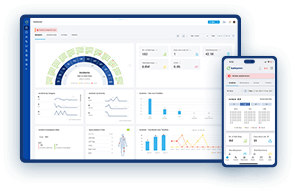
Instead of juggling forms and spreadsheets, software solutions let you capture data on-site using mobile devices. You get dashboards, alerts, and trend lines in real time. Better yet, everything is centralized, so you’re not piecing together reports from five different sources.
Solutions like Safetymint go a step further by allowing you to customize workflows, track key performance indicators, and integrate with other tools you’re already using. That means faster decisions and fewer blind spots.
What Should You Be Tracking?
While every organization is different, here are a few metrics that consistently drive value:
- Total Recordable Incident Rate (TRIR)
- Corrective action closure time
- Safety training completion rate
- Audit performance over time
- Near-miss reporting frequency
- Environmental exceedance incidents
You don’t need to track everything. Just focus on what reveals risk or shows improvement.
Final Thought
You don’t have to be a data scientist to make smarter decisions in safety. You just need clean data, clear visibility, and a willingness to act.
Because when it comes to EHS, data isn’t just about reporting what happened. It’s about shaping what happens next.
This article was generated with the assistance of AI and reviewed by Ramesh Nair for accuracy and quality.