
Benefits of Conducting Safety Walks in the Workplace
Many workplace incidents begin with small warning signs that go unnoticed during daily operations. Poor housekeeping, unsafe shortcuts, damaged equipment, or missing PPE often become “normal” until something goes wrong.
That is where safety walks play an important role.
Regular workplace safety walks help organizations identify hazards early, improve communication with frontline workers, and strengthen overall safety culture. They also give supervisors and management teams a clearer understanding of what is actually happening on the ground, beyond reports and checklists.
When conducted consistently, safety walks can lead to faster corrective actions, better employee engagement, and a more proactive approach to workplace safety.

What Is a Safety Walk?
A safety walk is a structured walkthrough of a workplace where supervisors, safety officers, or leadership teams observe work conditions, employee practices, equipment usage, and potential hazards in real time.
Unlike formal audits, safety walks are usually more conversational and observation-driven. The goal is not just to check compliance. It is to identify risks early, understand operational challenges, and encourage safer work practices across the site.
Safety walks are commonly conducted in industries such as construction, manufacturing, logistics, warehousing, mining, and oil and gas, where day-to-day conditions can change quickly.
Helps Identify Hazards Before They Escalate

One of the biggest benefits of conducting safety walks is early hazard identification.
Small issues often go unnoticed during routine work. Over time, these conditions can become accepted as part of the workplace environment. A loose cable, leaking valve, blocked access point, or damaged ladder may not seem urgent until it contributes to an incident.
Regular workplace safety walks help teams spot these risks before they escalate.
In many cases, hazards identified during a safety walk can be corrected immediately, reducing the chances of injuries, equipment damage, or operational disruptions later.
Strengthens Workplace Safety Culture
Safety culture is shaped by what employees see leadership doing consistently, not just what appears in company policies.
When managers and supervisors regularly spend time on the floor discussing safety concerns with workers, it sends a strong message that safety is taken seriously.
Employees are also more likely to speak openly when they see their concerns being acknowledged and acted upon. Over time, this improves trust and creates a more proactive reporting culture.
Workplaces with strong safety cultures usually have better communication, higher hazard reporting rates, and greater employee involvement in safety initiatives.
Encourages Employee Engagement
Frontline workers often notice operational risks long before they appear in reports or inspections.
Safety walks create opportunities for employees to share concerns, point out unsafe conditions, and discuss practical improvements. This involvement helps workers feel included in the safety process instead of feeling like safety is something imposed from the top down.
It also helps supervisors understand the realities of daily operations.
Sometimes unsafe behaviors are linked to production pressure, poor workflow design, lack of tools, or unclear procedures. These insights are difficult to capture through paperwork alone.
Supports Faster Corrective Actions
Another major advantage of safety walks is speed.
Certain issues can be corrected immediately during the walkthrough itself. For example:
- Replacing damaged PPE
- Clearing blocked walkways
- Correcting poor housekeeping
- Fixing safety signage
- Addressing unsafe storage practices
Quick corrective actions reduce exposure to risk and prevent minor issues from developing into larger problems.
They also demonstrate accountability. Employees notice when reported concerns are resolved quickly.
Improves Compliance Readiness
Organizations often rush to prepare for inspections or audits when regulatory visits are expected. Safety walks help reduce this reactive approach.
Regular walkthroughs encourage teams to maintain safer conditions consistently rather than only before inspections. This improves overall compliance readiness and helps identify gaps related to:
- PPE usage
- Housekeeping standards
- Permit-to-work practices
- Emergency access
- Equipment safety
- Documentation visibility
For industries with strict compliance requirements, this ongoing visibility can make a significant difference.
Gives Leadership Better Ground-Level Visibility
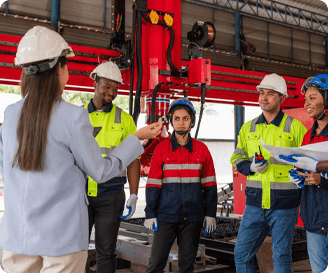
Reports and dashboards provide useful data, but they do not always reflect actual workplace conditions.
Safety walks allow leadership teams to observe operations directly and identify challenges that may otherwise remain hidden. This includes unsafe shortcuts, workflow bottlenecks, maintenance issues, and gaps in supervision.
In many workplaces, employees hesitate to report problems formally. Casual conversations during a safety walk often reveal concerns that would never appear in an incident report.
This direct visibility helps management make more informed operational and safety decisions.
Common Mistakes During Safety Walks
Not all safety walks are effective. In some organizations, they become rushed routines that add little value.
Some common mistakes include:
- Treating the walk as a fault-finding exercise
- Focusing only on PPE violations
- Ignoring employee feedback
- Conducting walks only before audits
- Failing to close corrective actions
- Rushing through observations without discussion
Workers quickly recognize when safety walks are done only for appearance. Consistency and follow-through matter far more than simply completing a checklist.
Tips for Conducting More Effective Safety Walks
Organizations can improve the quality of their safety walks by following a few practical approaches:
- Use a structured checklist without making the process overly rigid
- Encourage open conversations with workers
- Focus on both unsafe conditions and unsafe behaviors
- Document observations clearly
- Assign corrective actions with deadlines
- Review recurring issues across departments
- Conduct walks consistently, not only after incidents
Many organizations also use digital safety management tools to record observations, assign actions, and track closure status more efficiently across multiple sites.
Final Thoughts
The benefits of conducting safety walks go far beyond compliance. Effective safety walks improve hazard visibility, strengthen communication, encourage employee participation, and support a more proactive safety culture.
More importantly, they help organizations address small issues before they become serious incidents.
In many workplaces, the difference between a safe operation and a preventable incident often comes down to whether someone noticed the warning signs early enough. Regular safety walks create that opportunity.
This article was generated with the assistance of AI and reviewed by Ben Johnson for accuracy and quality.